HUNAN

HUNAN

INTANGIBLE CULTURAL HERITAGE

AND

TRADITIONAL CULTURE

Endowed with profound cultural heritage by the landscapes of Hunan, intangible cultural heritage in Hunan embodies the essence of traditional craftsmanship, folk customs and humanistic spirits, standing as a splendid treasure of fine traditional Chinese culture. Boasting a complete range of well-preserved heritage resources, Hunan ranks among the top national tiers in intangible cultural heritage protection, with multiple UNESCO intangible cultural heritage items, a large number of national-level and provincial-level representative heritage projects.

XIANG EMBROIDERY

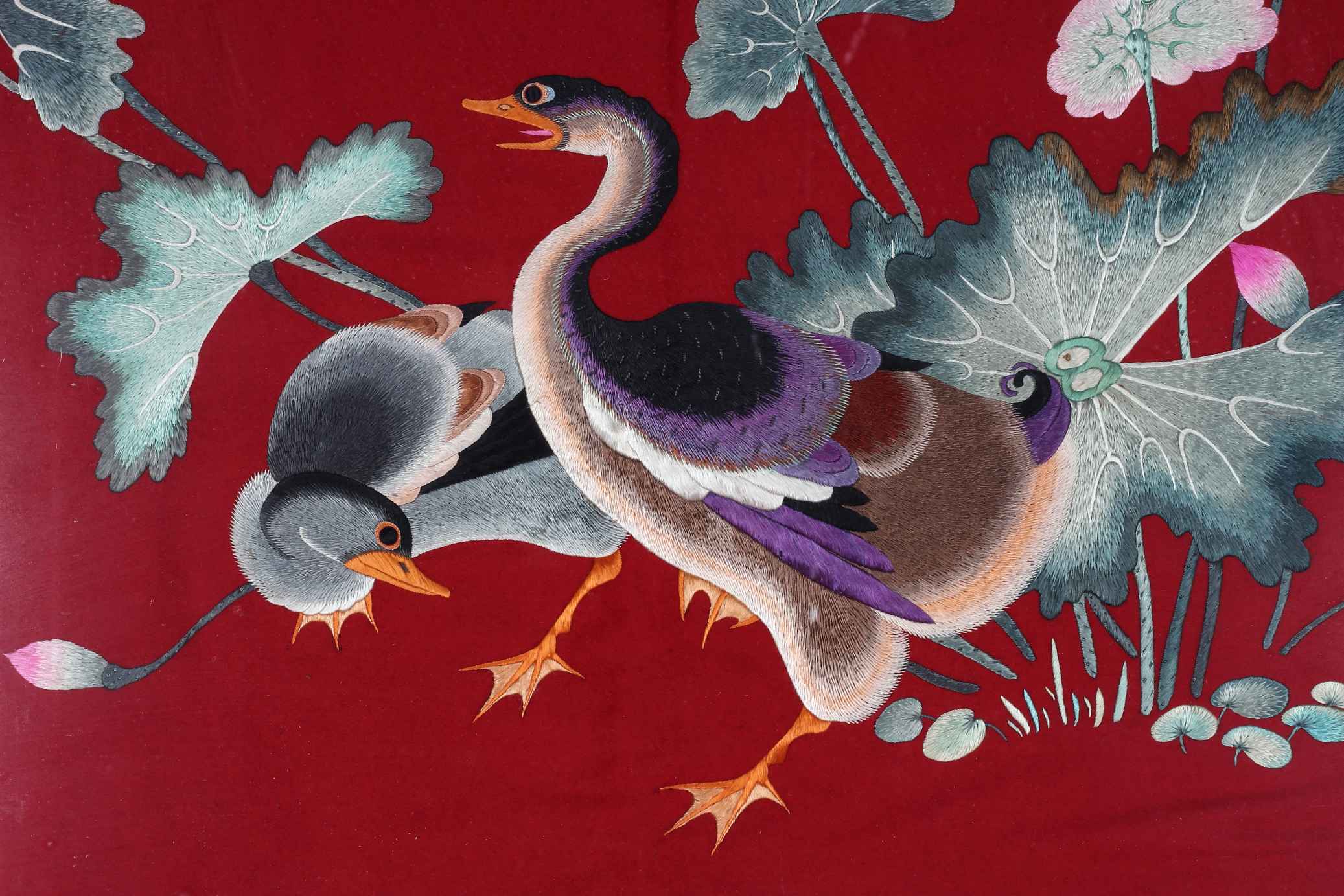
Double ducks Xiang embroidery

Applicant Region or Institution: Changsha City, Hunan Province

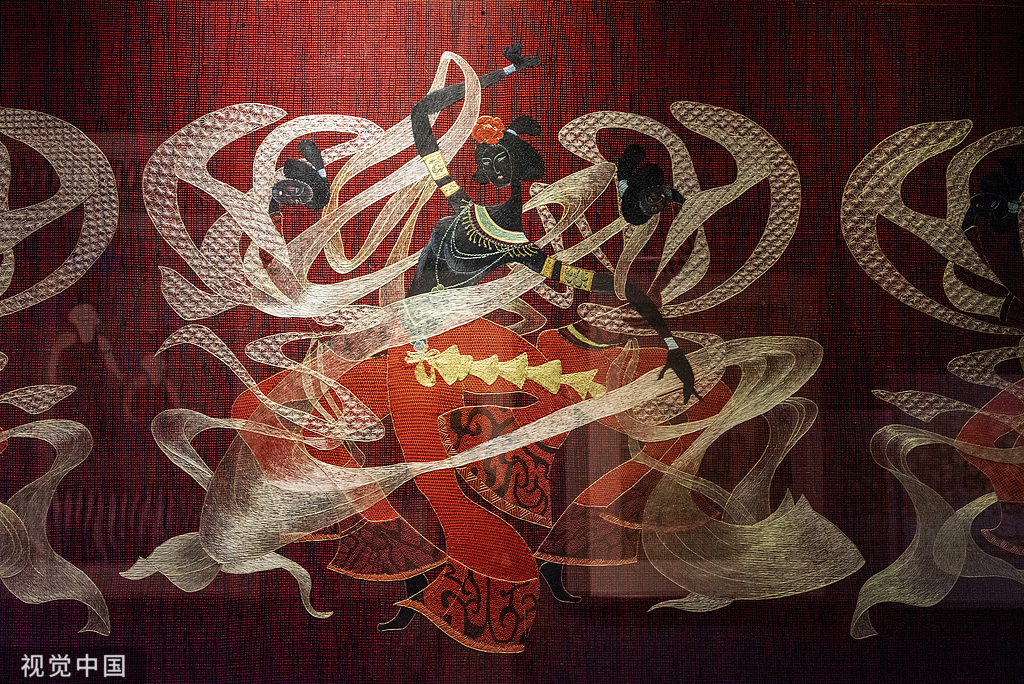
Flying figures embroidered on red fabric
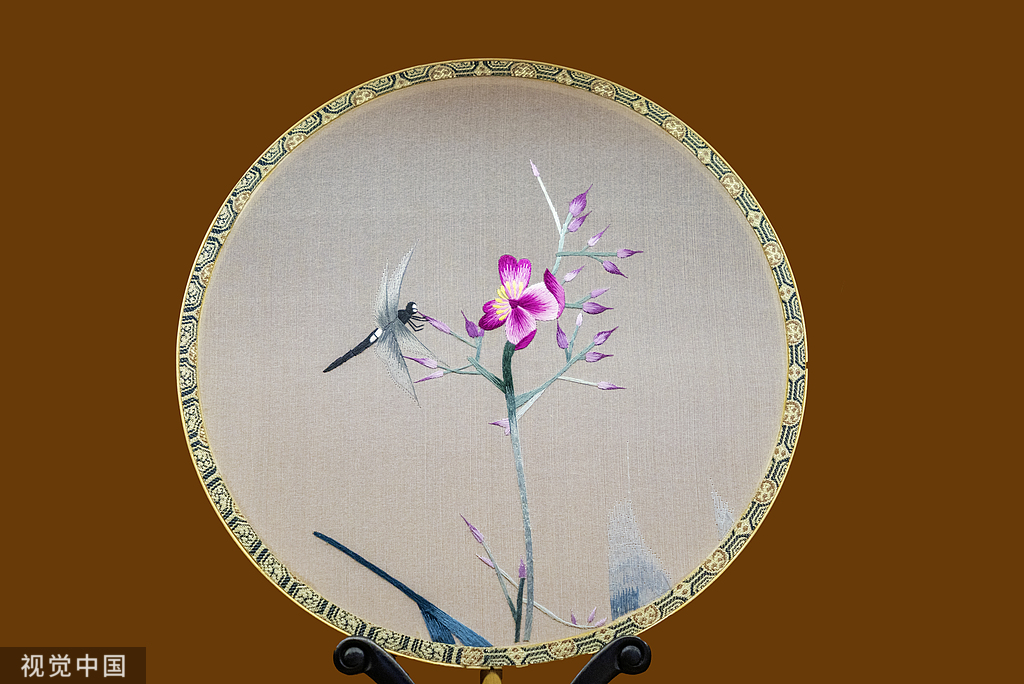
Round flower and bird Xiang embroidery
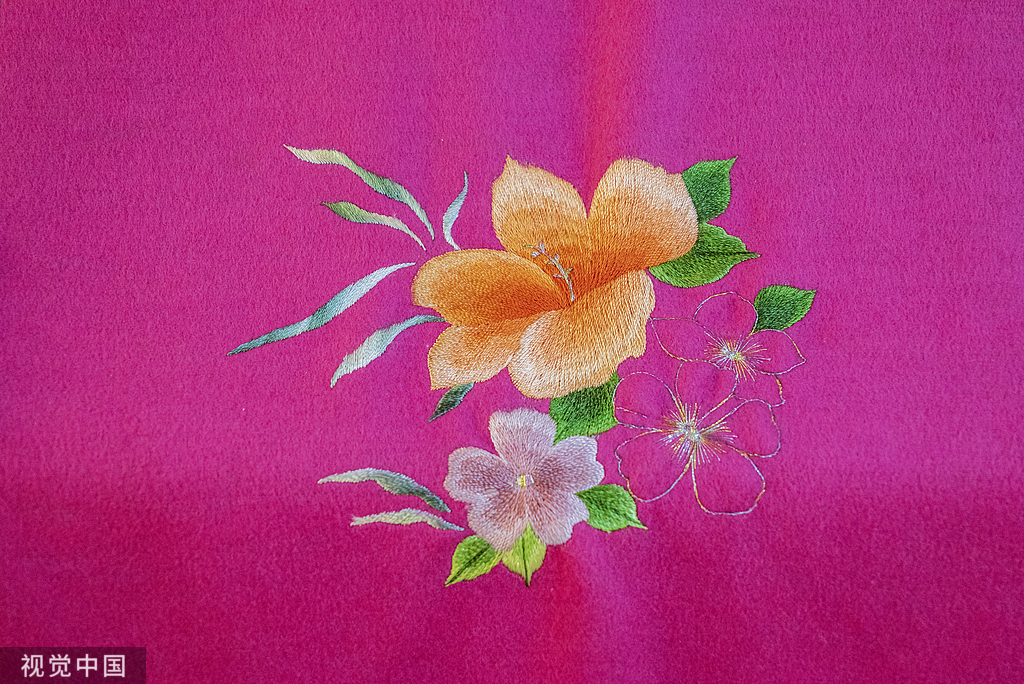
Orange flowers embroidered on magenta fabric
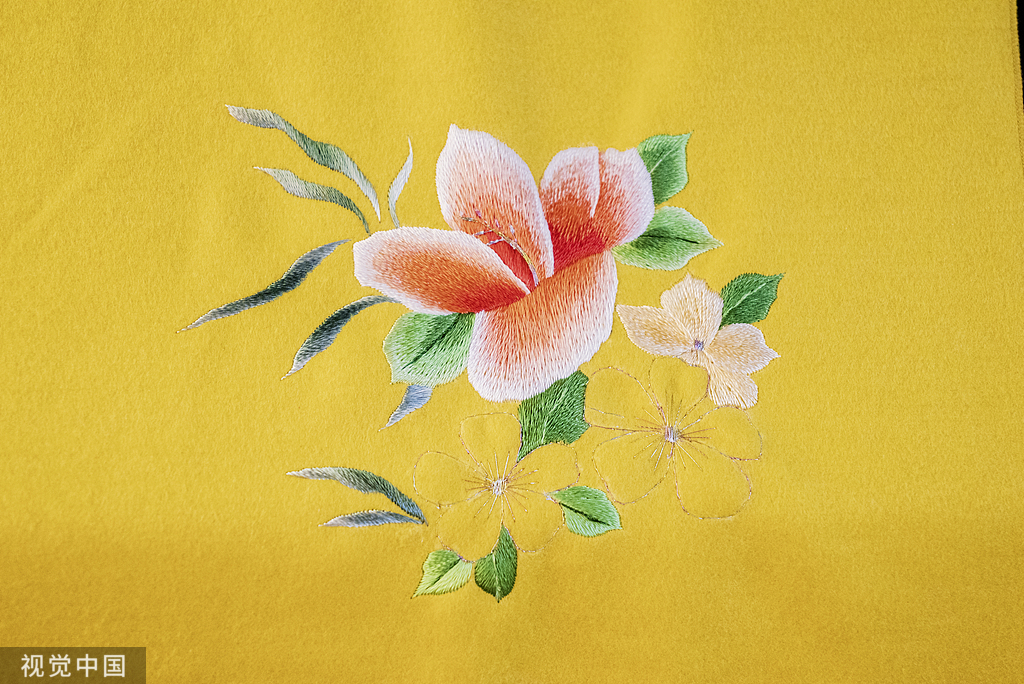
Orange flowers embroidered on yellow fabric
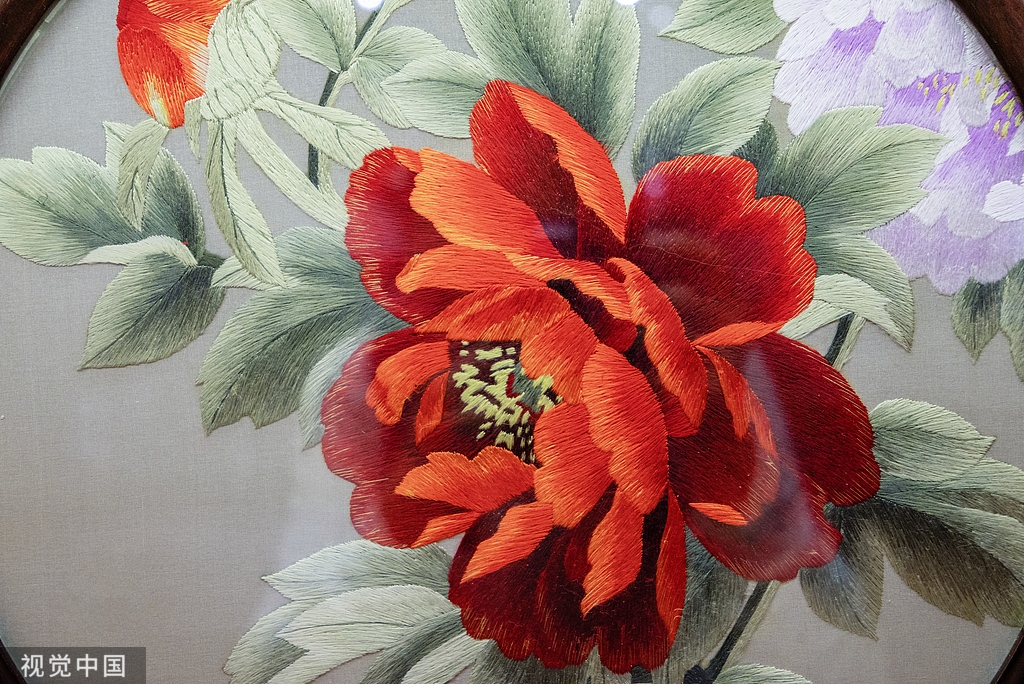
Red peony Xiang embroidery
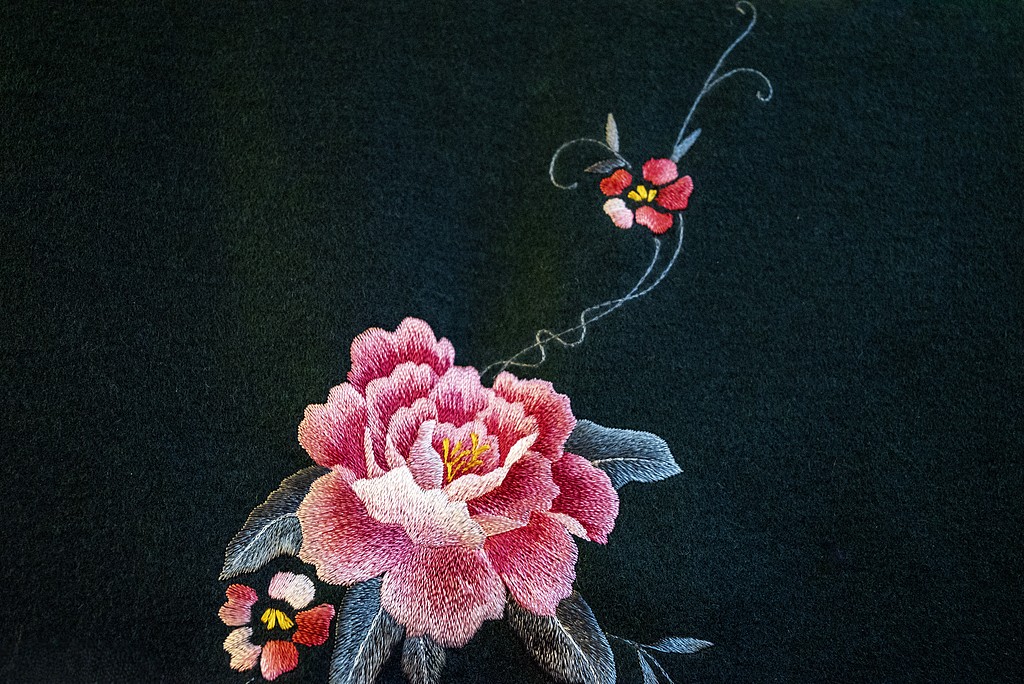
Pink peony embroidered on black fabric
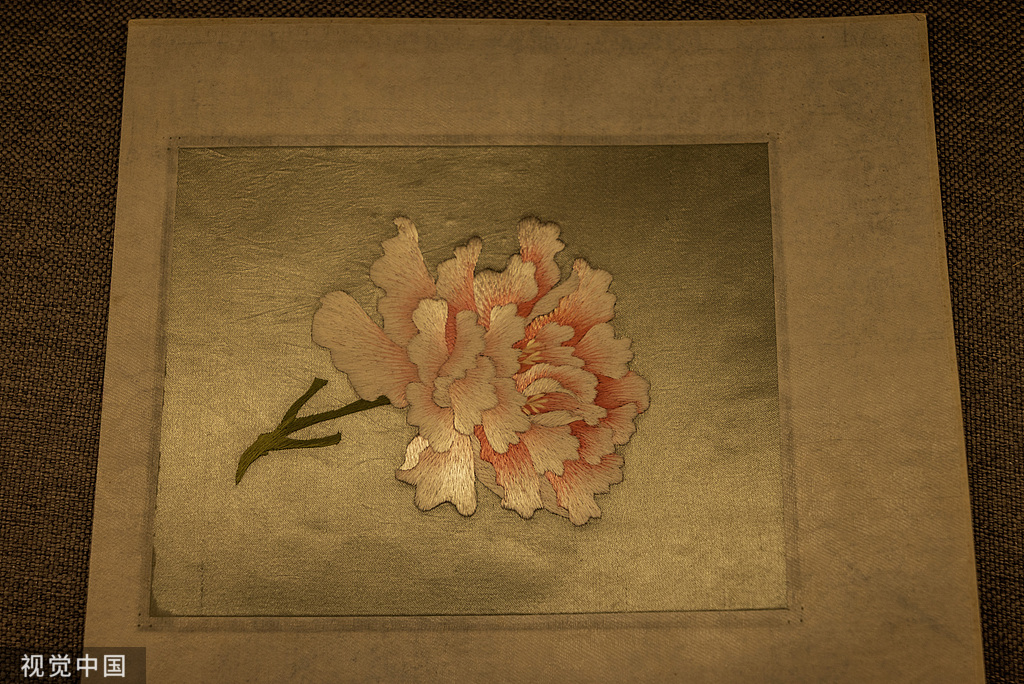
Historic peony embroidery sample
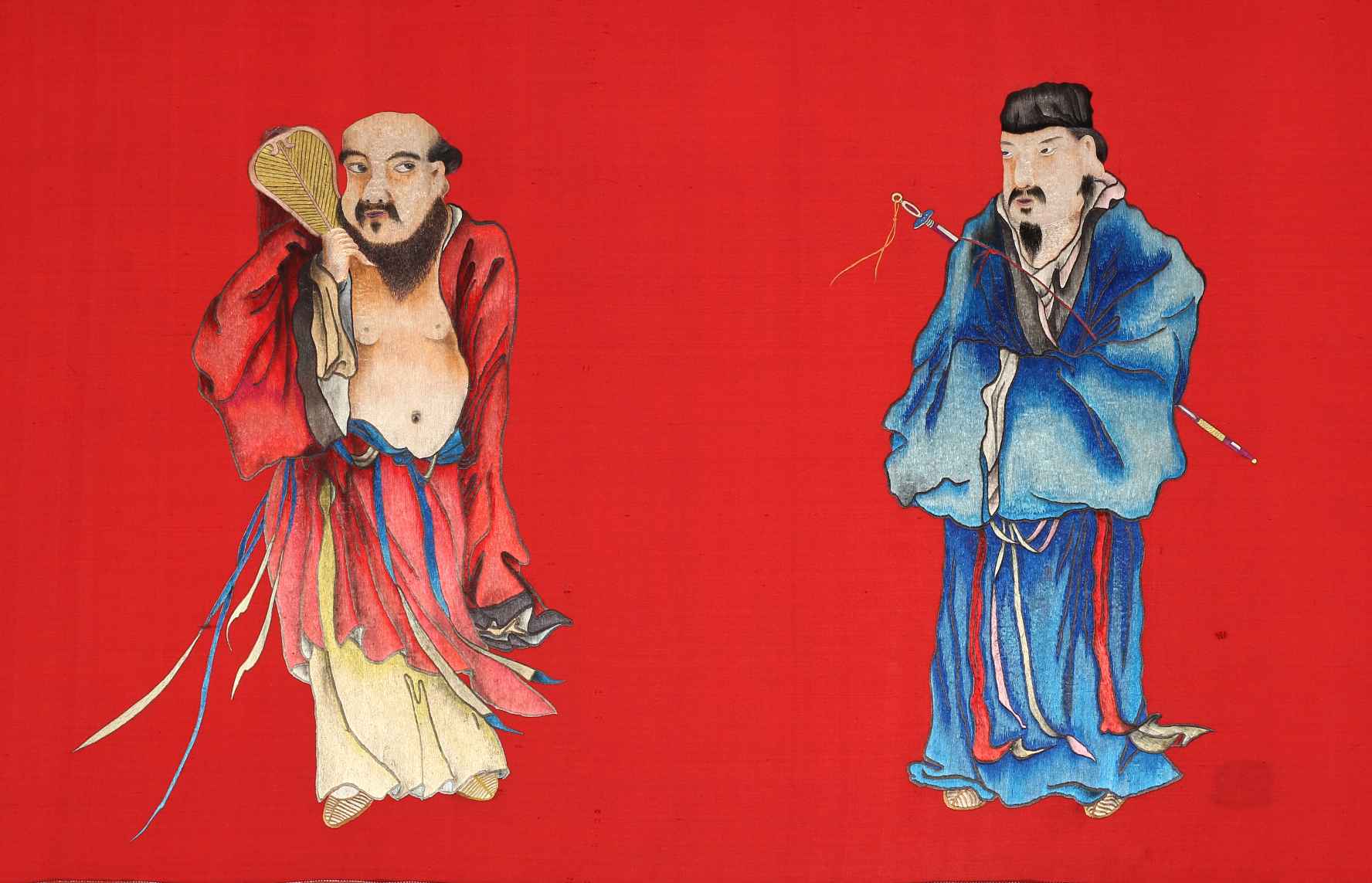
Two figures from the Eight Immortals embroidery
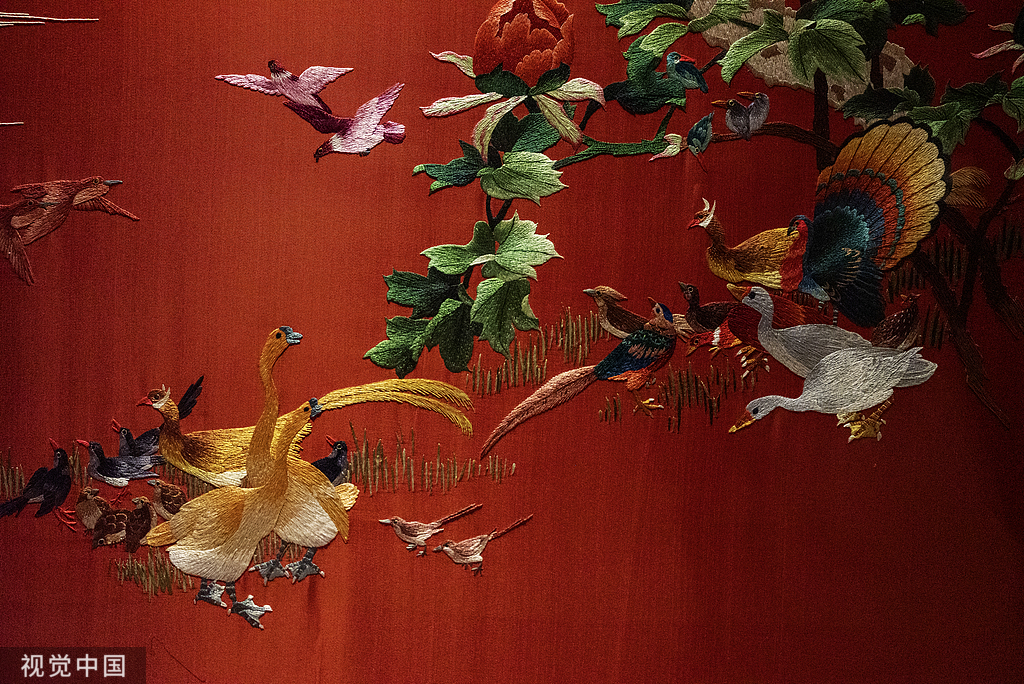
Birds and flowers embroidered on red fabric
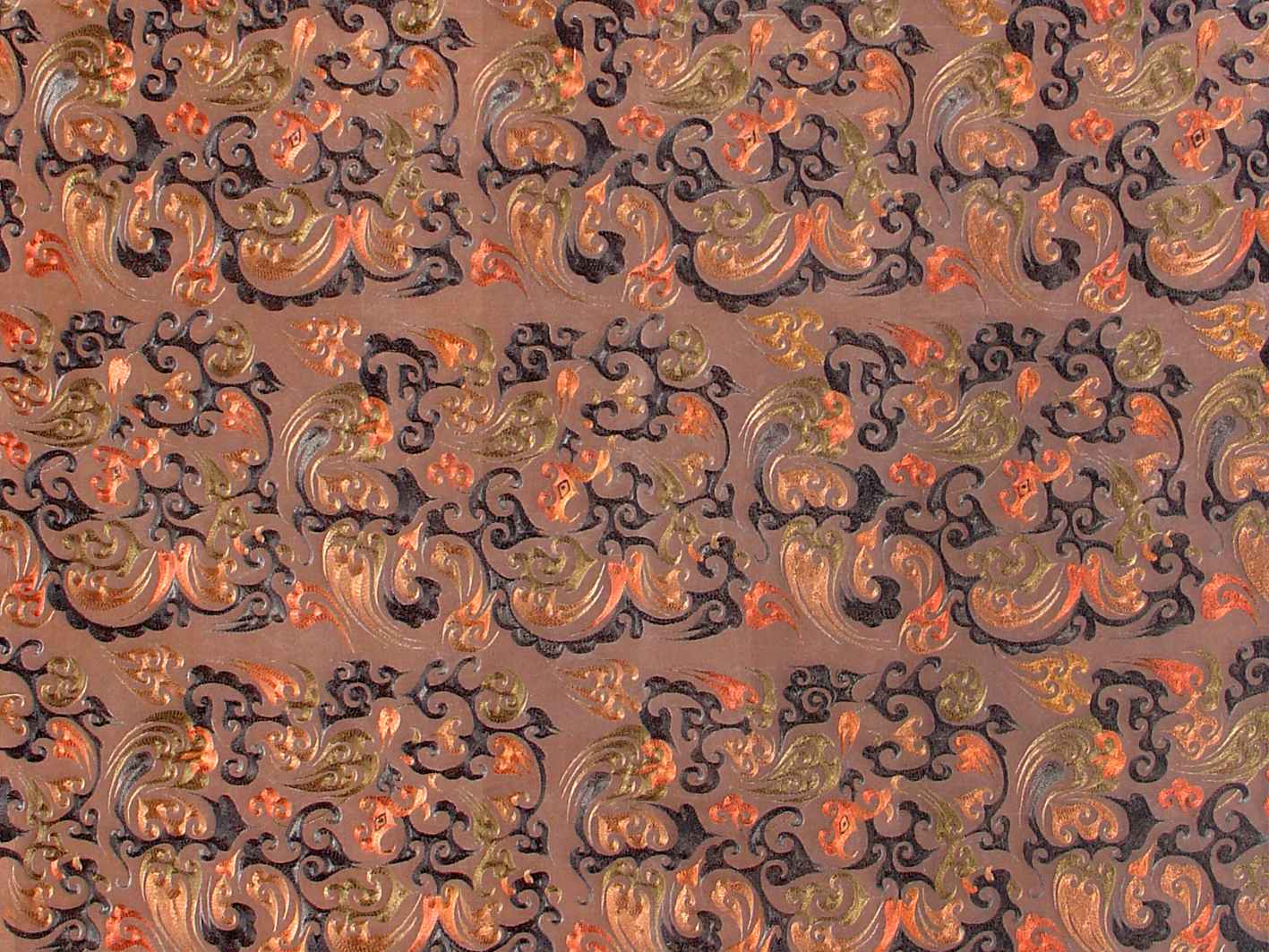
Western Han longevity embroidery pattern
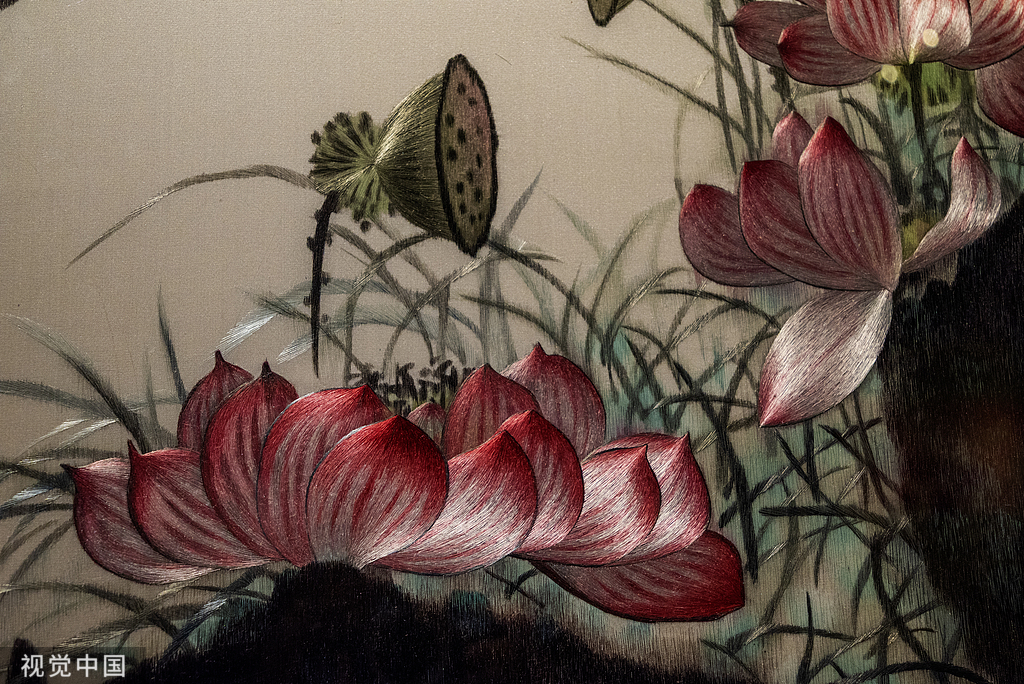
Lotus and butterfly Xiang embroidery
Western Han cloud embroidery pattern
Tall Qing dynasty flower and bird embroidery sleeve

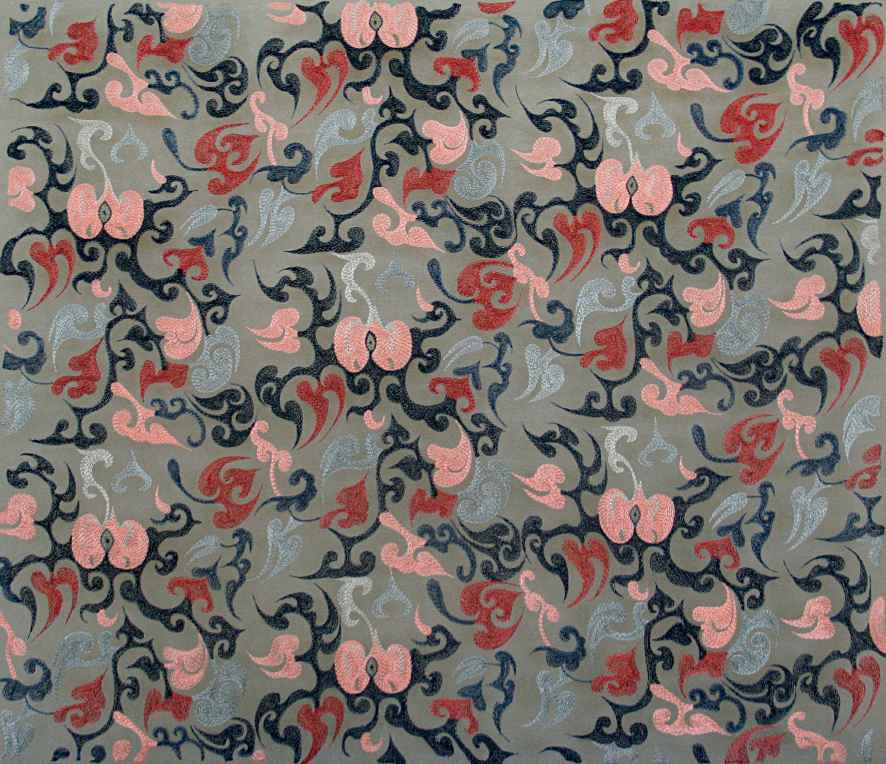
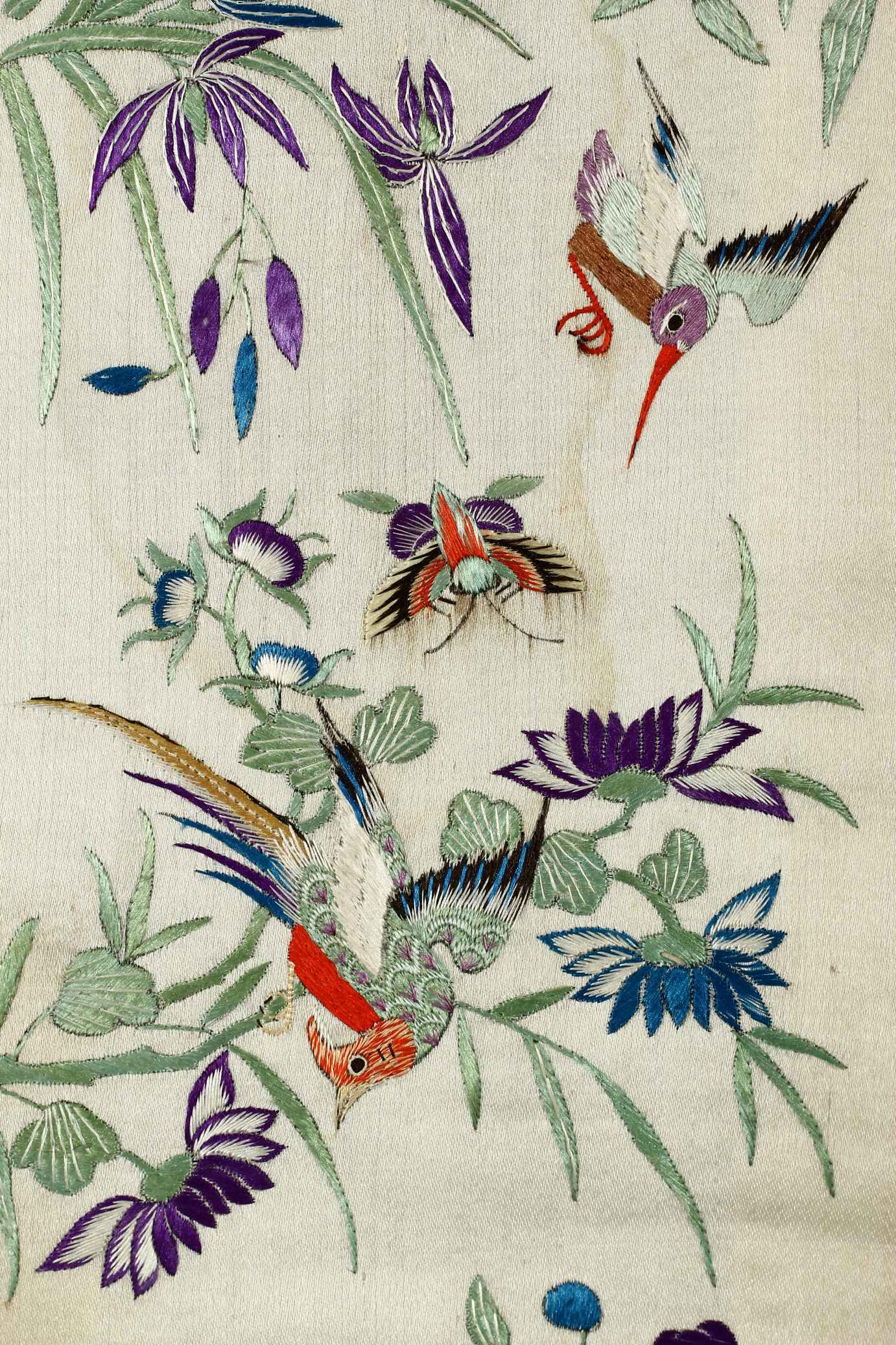
For nearly a century, Xiang Embroidery has been widely recognized as one of China’s Four Great Embroideries. In 1972, a large number of embroidered fragments such as the dark brown rhombus-patterned Xinqi Embroidery and yellow silk-ground Longevity Pattern Embroidery unearthed from No.1 Mawangdui Han Tomb in Changsha proved that Hunan embroidery has a history of more than 2,000 years. Xiang Embroidery developed an embroidery system with a distinctive style in the late Qing Dynasty.

The traditional producing areas of Xiang Embroidery are mainly distributed across dozens of towns and townships in Changsha City and its affiliated Changsha County, Wangcheng District and Kaifu District. After the founding of the People’s Republic of China, based on the original embroidery workshops, state-owned enterprises were established, including Hongxing Xiang Embroidery Factory, Hunan Provincial Xiang Embroidery Factory, Changsha General Xiang Embroidery Factory, Changsha County Xiang Embroidery Factory, and Wangcheng County Xiang Embroidery Factory. At its peak, nearly 100,000 people worked in this industry. In 1979, the provincial factory was restructured into the Hunan Institute of Xiang Embroidery. In 1998, the People’s Government of Hunan Province allocated 7.8 million RMB to build the Hunan Xiang Embroidery Museum. The private Changsha Shaping Xiang Embroidery Factory was founded in 1986, and the Sino-foreign joint venture Hunan Xingsha Xiang Embroidery City was completed in 2003.

In the late Qing period, Li Yihui (1854–1928), an Xiang Embroidery artisan, pioneered the mixed stitch. In 1898, Hu Lianxian opened the first Xiang Embroidery workshop, Wu Caixia Embroidery Shop, at Simentkou in Changsha. She promoted the mixed stitch by teaching it to her apprentices. The mixed stitch can render the light and shade, gradual colour transition and colour blending of objects. Combined with the ultra-fine silk-splitting technique, it fully conveys the spirit of literati paintings.

At the turn of the late Qing Dynasty and the early Republic of China, artisan Liao Jiahui embroidered Portrait of Wu Peifu’s Mother, now collected by Shanghai Museum. During the State Funeral Ceremony, the coffin of Dr. Sun Yat-sen was covered with an Xiang Embroidery coffin cover now kept in the National Palace Museum, Taipei. In 1933, the embroidered work Portrait of President Roosevelt made by Changsha Jinhua Embroidery Shop was exhibited at the Century of Progress World’s Fair in Chicago, USA, creating a sensation and bringing worldwide fame to Xiang Embroidery. At this stage, Xiang Embroidery craftsmanship had reached an impressively high level.

After 1949, Yu Zhenhui (1913–1984), a distinguished veteran Xiang Embroidery master, invented and perfected the fluffy stitch. This technique creates vivid lions and tigers, becoming a unique signature stitch among China’s Four Great Embroideries. Through inheritance and development by generations of artisans, Xiang Embroidery now boasts a complete stitch system of 72 types in five categories, laying a solid foundation for faithfully reproducing literati paintings and modern photographic works. Double-faced full-differentiated embroidery pushes the artistic expression and technical level of Xiang Embroidery to an astonishing height. It is hailed as “superb embroidery” by Chinese people and “magic art” by international visitors.

Since the reform and opening-up, the State Council has conferred the title of China National Master of Arts and Crafts upon five Xiang Embroidery masters: Li Kaiyun, Tang Yingxiu, Huang Cuifeng, Liu Aiyun and Zhou Jinxiu. Xiang Embroidery works themed on lions and tigers are collected in the China Arts and Crafts Museum as national treasures. Xiang Embroidery artisans have been dispatched many times by the state to give live demonstrations overseas. Numerous Xiang Embroidery pieces have been presented as national gifts to foreign airports and international friends, spreading Chinese culture and enhancing international friendship.

In recent years, impacted by foreign cultures, rapid market economic development and massive rural labour migration, traditional Xiang Embroidery, a folk handicraft, faces a shortage of inheritors, and some exquisite hand techniques are at risk of being lost. To preserve and develop traditional Xiang Embroidery craftsmanship, the Changsha Municipal People’s Government has actively adopted practical and effective measures to strengthen protection, so that the Xiang Embroidery brand created by Hunan people over thousands of years can be passed down and further developed.
HUNAN OPERA

Applicant Region or Institution: Hengyang City, Hunan Province

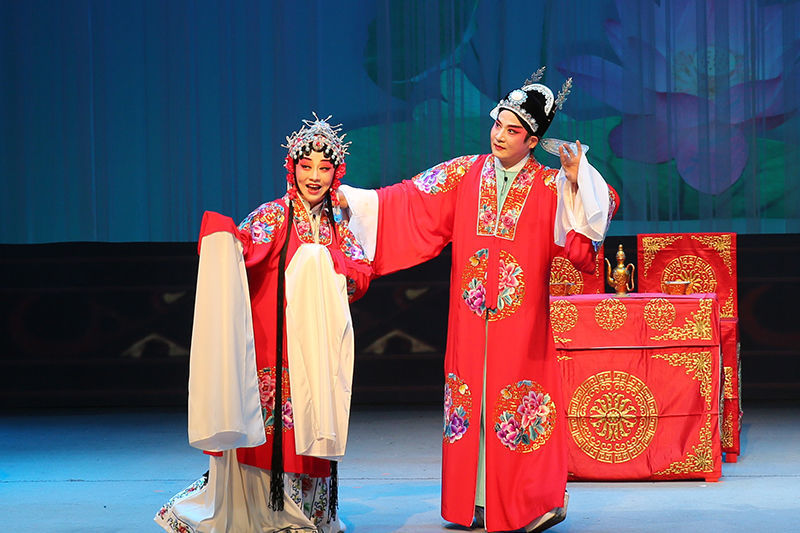
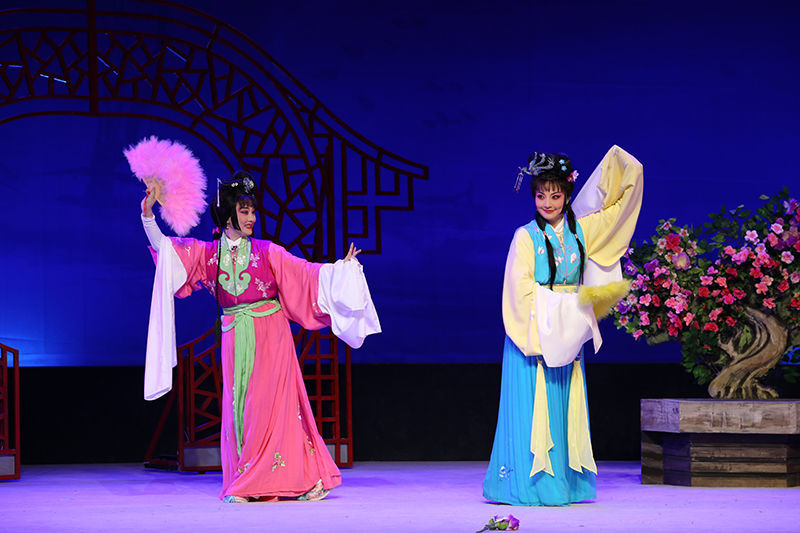
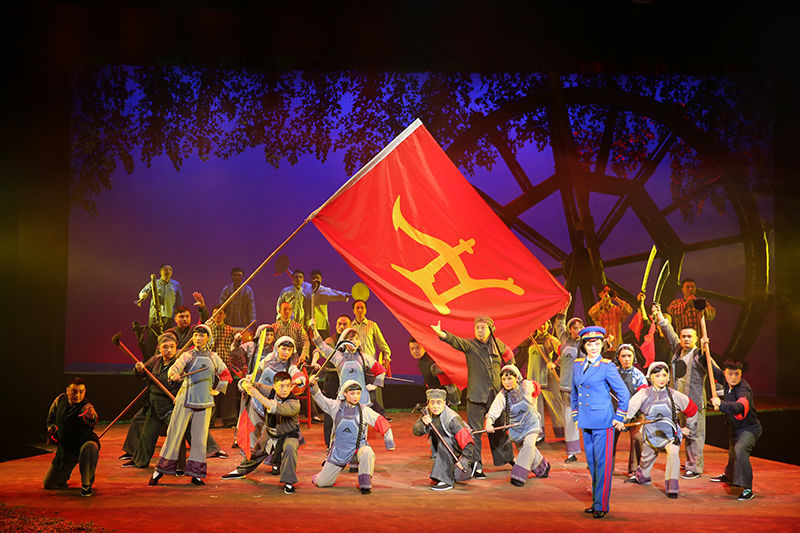
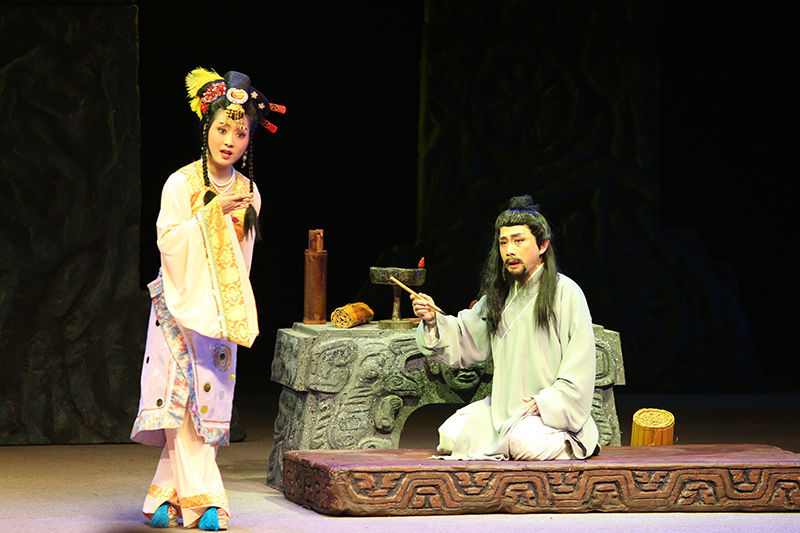
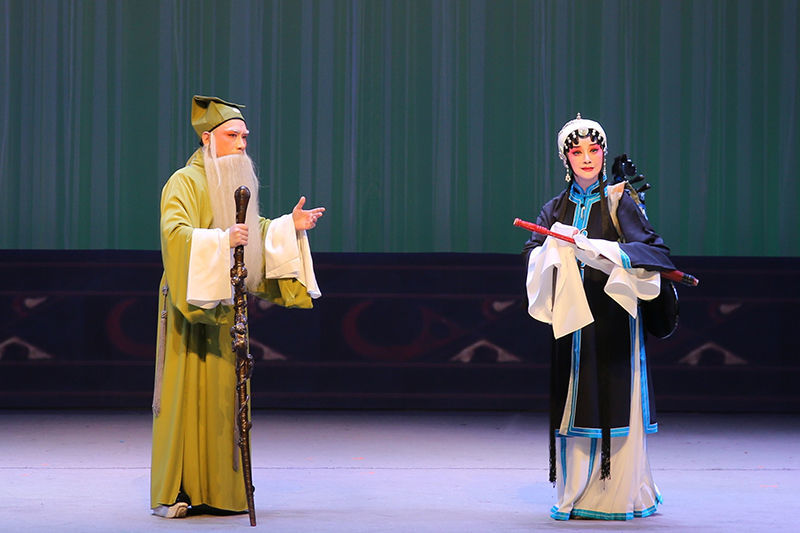
A scene from The Lute Story
Another scene from The Lute Story
A scene from Moon Worship Tale
A scene from Li Zhen Returns Home
A scene from Maling Road

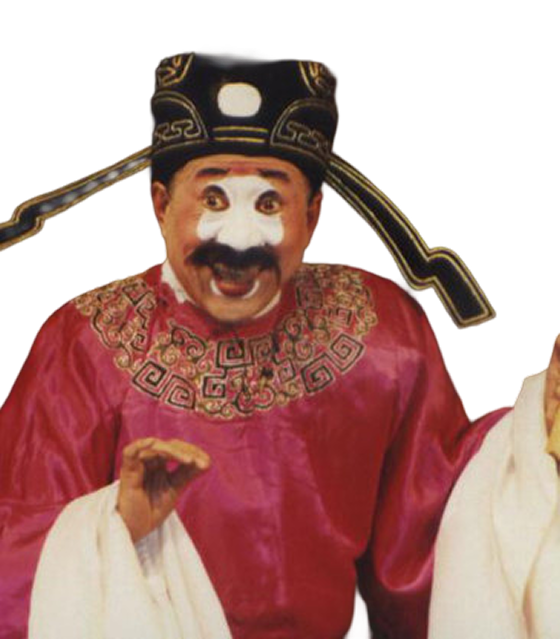
Xiang Opera is the dominant local vocal opera genre in Hunan Province. It prevails in 17 cities and counties in eastern southern Hunan, as well as western southern Jiangxi and parts of Guangdong including Pingshi, Qimen, Lechang, Guitou, Lishi and Shaoguan. Centered in Changsha and Xiangtan in history, it is also known as Changsha Xiang Opera. Integrating multiple vocal tunes including Kunqiang (Kunqu tune), Gaoqiang (high tune), Tanqiang (plucked tune) and miscellaneous folk tunes, Xiang Opera took shape in Hunan from the early Ming Dynasty to the Jiajing reign, when introduced Kunqiang and Yiyang tunes blended with local dialects and folk music.

Hengyang Xiang Opera boasts a rich repertoire, covering 6 serialized operas, 113 full-length operas and 465 excerpted acts. Its representative works include Creation of the Gods, Biography of Yue Fei, Biography of Mulian, Golden Seal Story, Record of Submission, Tale of the White Rabbit, Moon Worship Tale, Four Top Scholars and Strange Double Encounter.

Xiang Opera features a finely categorized role system consisting of 12 types: senior armored warrior, junior armored warrior, vocal male role, young scholar, grand painted face, secondary painted face, purple face, clown, principal female role and labor female role. The young scholar role is further divided into four subtypes by costumes: literary scarf, Luo hat, pheasant tail and python armor, with four distinctive performing styles for impoverished, refined, wealthy and martial characters. Absorbing artistic essence from Kunqu Opera, Xiang Opera performances are dynamic, lively and dance-integrated, with many classic works celebrated for exquisite postures and stances.

Unique stylized movements define its performance aesthetics, such as the “slipper stride” for male roles walking with dragging shoes, “boat stance” for standing on one leg, “staggering drunk stride”, and the “unbound lady stride” for female roles. Xiang Opera encompasses over 300 tune patterns, dominated by southern tunes. In addition to southern and northern plucked tunes, its tonal system includes inverted southern tune, inverted northern tune, flat tune, Anqing tune and seven-beat half tune. Accompanied by suona, bamboo flute and other wind instruments during singing, its music is divided into civil and military orchestras. The civil orchestra supports vocal performances with string and wind instruments such as erxian lute, yueqin lute, flute and suona, while the military orchestra enhances stage effects with percussion instruments including clappers, large cymbals, big and small gongs.

After centuries of artistic refinement, Hengyang Xiang Opera has developed into an independent opera genre in Hunan. Tan Baocheng is the founder of the Tan School performance style of Hengyang Xiang Opera. Deeply influenced by Kunqu art, his performances feature vigorous elegance and unique charm. In October 1952, his starring work Drunken Breaking the Mountain Gate was staged at the First National Opera Observation and Performance Conference, winning high praise from national leaders including Mao Zedong and Zhou Enlai, as well as renowned performing artists represented by Mei Lanfang.

Kunqu Opera nurtures Hengyang Xiang Opera and serves as its artistic soul. By integrating elegant Kunqu art with regional culture, Hengyang Xiang Opera achieves an artistic realm appreciated by both refined and popular tastes. Its practice of localizing and vernacularizing elite foreign art holds significant research value in the history of Chinese opera and art. In recent years, impacted by modern cultural trends, the bond between Xiang Opera and audiences has gradually weakened. Coupled with insufficient funding and talent loss, the traditional opera faces severe survival challenges, calling for urgent attention and targeted protection.

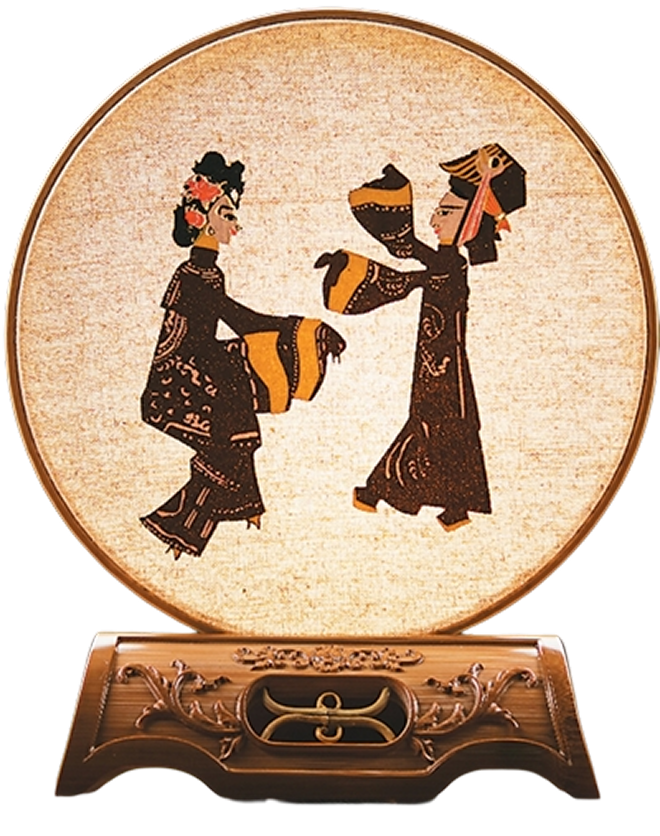
Xiaoyu bamboo craft lamp

XIAOYU BAMBOO CRAFT

Applicant Region or Institution: Yiyang City, Hunan Province

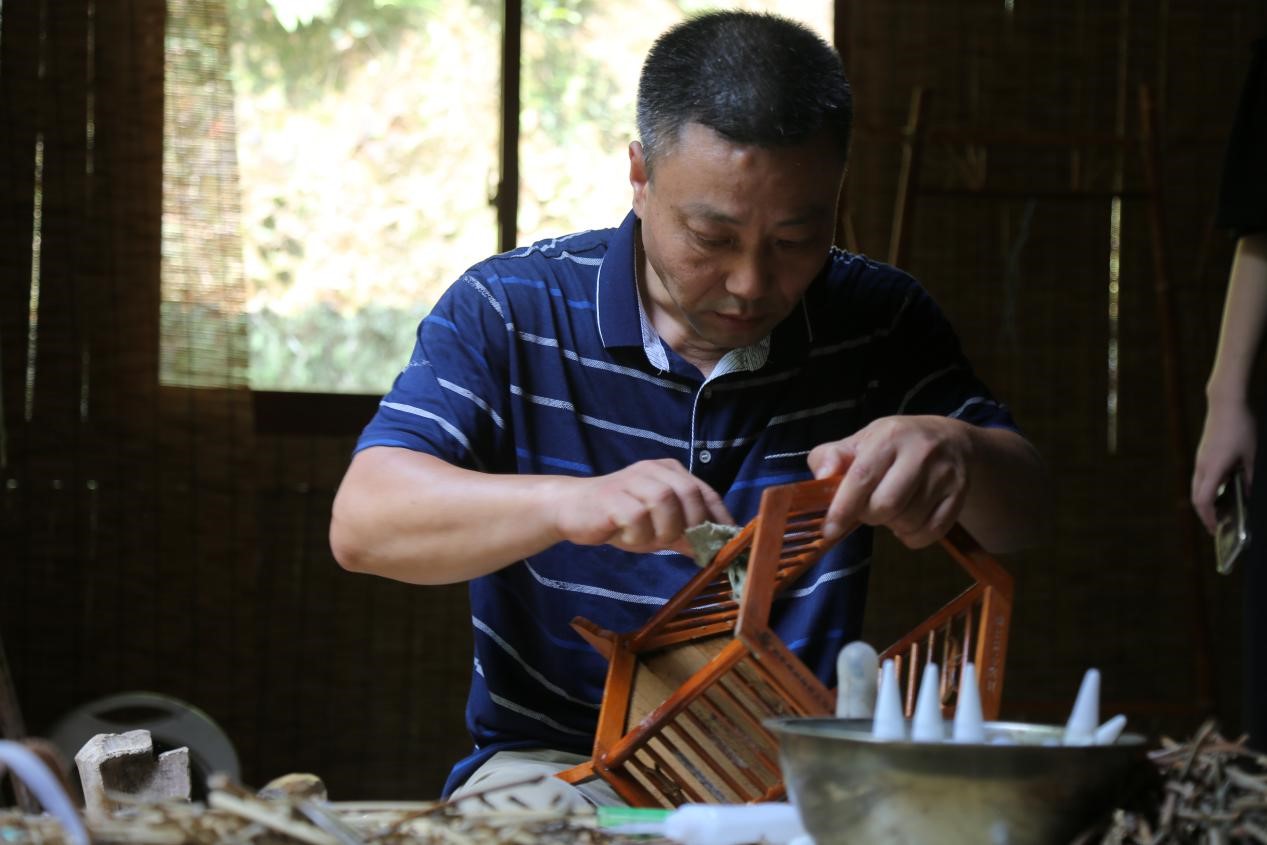
Yiyang Xiaoyu Bamboo Craft refers to small-sized bamboo utensils made with traditional techniques such as splicing, embedding and tenon jointing. The character “Yu” is a dialect term unique to Yiyang, denoting the core craft of heating and bending bamboo components to fit designed shapes and structural requirements. Located in the north-central part of Hunan Province, Yiyang boasts fertile soil, abundant rainfall and a mild climate, nurturing extremely rich bamboo resources. Local residents have long made various daily utensils with native bamboo materials. Bamboo artifacts have been discovered in the cultural relics unearthed from the Neolithic Daxi Cultural Site of Tujiatai in Nan County, Yiyang. After years of evolution and development, the bamboo utensil industry took shape in Yiyang in the early Ming Dynasty. As recorded in the Yiyang City Chronicles, practitioners spread across urban and rural areas, and bamboo products were widely available on streets and alleys at that time. In the Qing Dynasty, Yiyang became a renowned “Bamboo Craft City” in the south of the Yangtze River. The water bamboo mats of Maozhu Lake, Xiaoyu bamboo utensils of Heqiao Town, and bamboo-framed paper umbrellas of Sanligiao were honored as the “Three Wonders of Yiyang Bamboo Craft”. During the Daoguang reign of the Qing Dynasty, Xiaoyu Bamboo Craft products began to be exported to Britain, France and other countries. Over the past century, these crafts have won more than 80 gold and silver awards at various exhibitions at home and abroad. Xiaoyu Bamboo Craft features rigorous material selection. Tough hemp bamboo with a diameter of less than 5 centimeters is generally adopted for making product frameworks, while moso bamboo is used for auxiliary components. The production process involves more than 30 elaborate working procedures, including material selection, cutting, oil heating and thermal bending. Yiyang Xiaoyu Bamboo Craft is celebrated for its elegant shapes, exquisite workmanship and durable quality. Locally, bamboo-made utensils cover almost all aspects of production and daily life.